
Painting vs Replacing Kitchen Cabinets: Cost and Durability
· By Joezer Rocha
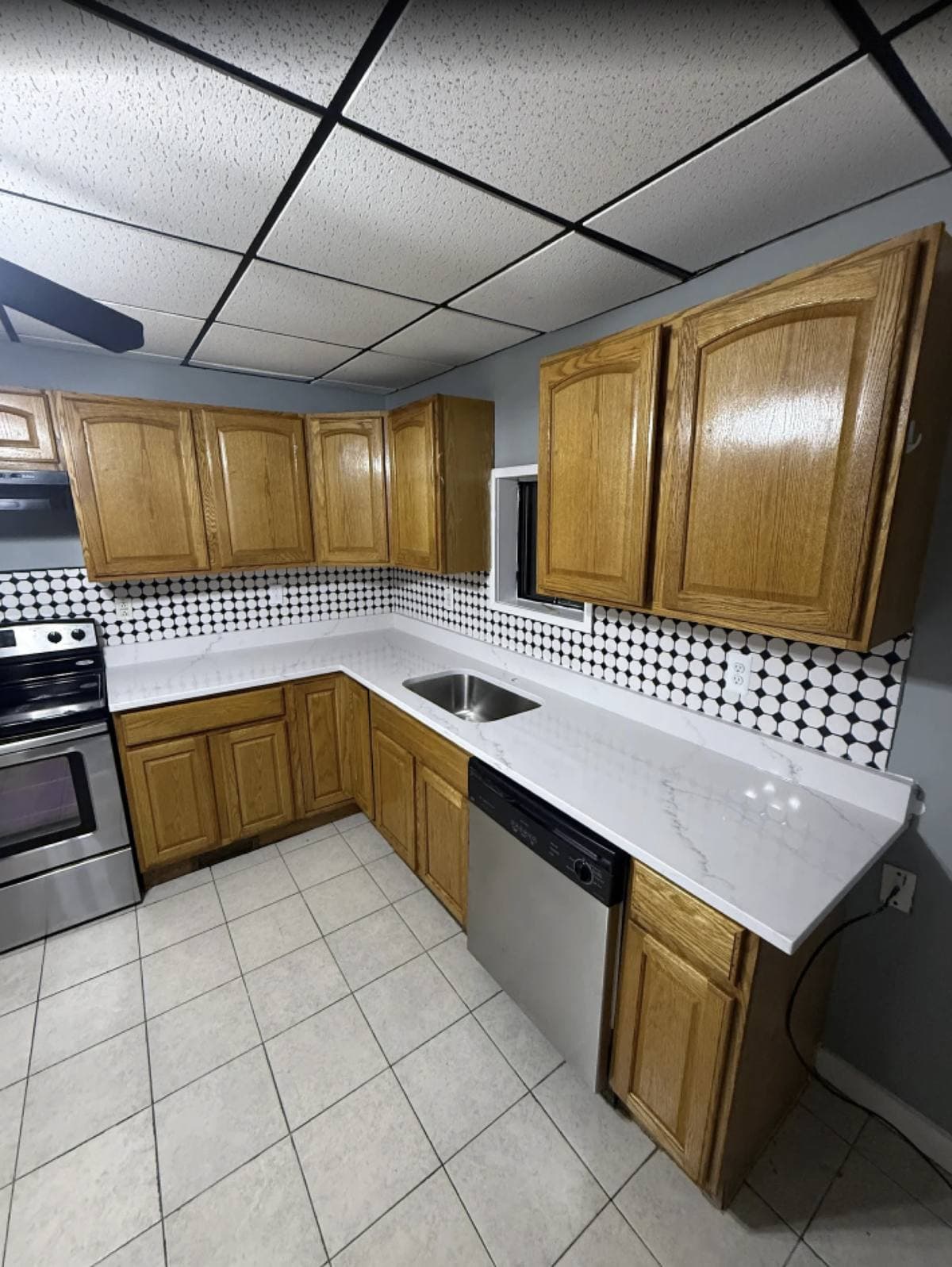
Dated kitchen cabinets are one of the most common reasons homeowners want a refresh, and the first big decision is whether to paint them or tear them out and replace them. It is a real fork in the road, because the two paths differ enormously in cost, timeline, and outcome. The right choice depends on the condition of your cabinets and what you are trying to achieve.
This guide compares painting versus replacing kitchen cabinets on the factors that matter: cost, durability, appearance, and disruption. It also lays out when each option genuinely makes sense, so you can spend your money where it counts in your Greater Boston kitchen.
The cost gap is significant
The biggest difference is price. Professionally painting existing cabinets typically costs a fraction of what full replacement costs. Replacing cabinets means new cabinet boxes and doors, demolition, disposal, and often new countertops and backsplash because the old ones rarely survive the swap, plus the labor to install it all.
Painting keeps your existing boxes and doors and transforms them with prep, primer, and durable finish coats. For many homeowners, that translates to a dramatically updated kitchen for a small share of the replacement price. Exact figures depend on the number of doors and drawers, the cabinet material, and the finish, so a walkthrough is the way to get a real number, but the order-of-magnitude savings of painting are consistent.
There is also a hidden cost to replacement that people forget: the ripple effect. Pulling cabinets often means new countertops, a new backsplash, patched or repainted walls where the old boxes sat, and sometimes plumbing or electrical adjustments. Painting sidesteps that chain reaction entirely, which is a big part of why the total gap between the two options is often larger than the cabinet prices alone suggest.
When painting is the smart choice
Painting makes sense when your cabinet boxes are structurally sound and the layout works for you. If the doors close properly, the boxes are solid, and you are mainly unhappy with the color or dated finish, painting delivers a huge visual change without the cost and chaos of replacement.
Solid wood cabinets are excellent candidates for painting. So are many well-built older cabinets in Greater Boston homes that are simply out of style. If you like where everything is and just want a fresh, modern look, paint is usually the better value by far.
When replacement makes more sense
Replacement is the right call when the cabinets are failing structurally, water-damaged, falling apart, or made of materials that do not hold up, or when the kitchen layout itself does not work for you. If you want to move the sink, add an island, or change the footprint, you are in renovation territory and painting will not solve that.
Some cabinet materials, particular laminates or heavily damaged surfaces, are harder to refinish well, though a skilled painter can handle more than people expect with the right prep and products. If the boxes are shot or the layout is wrong, paint is lipstick on a deeper problem, and replacement is worth the investment.
Durability: how long does painted cabinet finish last?
A common worry is that painted cabinets will chip or peel quickly. The truth is that durability comes down to prep and product. Cabinets get heavy daily use, grease, moisture, hands, cleaning, so cutting corners shows fast. Done properly, with thorough cleaning and degreasing, sanding, a bonding primer, and a hard, durable finish coat, painted cabinets hold up well for years.
The failures people remember usually come from DIY jobs or rushed work that skipped the degreasing and priming. Professional cabinet painting uses products and methods designed for the wear a kitchen dishes out. It is not the same as rolling wall paint onto a door, which is exactly why the prep and product choices matter so much.
Timeline and disruption
Painting cabinets is far less disruptive than replacing them. There is no demolition, no torn-out countertops, no weeks without a functioning kitchen. A cabinet painting project involves removing doors and hardware, prepping and painting, and reinstalling, with the kitchen usable for much of the process.
Replacement is a full renovation: demolition, potential plumbing and electrical work, new counters, and the mess and downtime that come with it. For homeowners who cannot lose their kitchen for an extended stretch, or who simply do not want the upheaval, painting is the calmer path to a new look.
Making the decision for your kitchen
Start with an honest look at your cabinets. Are the boxes solid and the layout right? Then painting almost certainly gives you the best return. Are they failing, or is the layout wrong for how you live? Then replacement is worth it. Many Greater Boston kitchens fall into the first camp, older but structurally fine, which is why cabinet painting has become such a popular update.
If you are not sure which category yours is in, a professional can assess the cabinets and tell you honestly whether they are good candidates for painting. We offer free estimates for cabinet painting across Greater Boston, including a straight answer on whether paint or replacement is the smarter move for your specific kitchen.
Frequently asked questions
- Is it cheaper to paint or replace kitchen cabinets?
- Painting is dramatically cheaper, typically a fraction of the cost of replacement. Replacement adds demolition, disposal, new boxes and doors, and usually new countertops and backsplash. If your cabinet boxes are sound and the layout works, painting delivers a major update for far less.
- Do painted kitchen cabinets hold up?
- Yes, when done professionally. Durability depends on prep and product: thorough degreasing, sanding, a bonding primer, and a hard finish coat. Done right, painted cabinets stand up to daily kitchen use for years. The chipping people fear usually comes from rushed DIY work that skipped the prep.
- When should I replace cabinets instead of painting?
- Replace when the boxes are failing or water-damaged, when the material will not refinish well, or when the layout itself does not work for you and you want to change the footprint. If the cabinets are structurally sound and just dated, painting is usually the better value.
- How disruptive is cabinet painting?
- Much less than replacement. There is no demolition or torn-out countertops, and the kitchen stays largely usable. Doors and hardware come off for prep and painting, then get reinstalled. Replacement, by contrast, is a full renovation with extended downtime and mess.
Related services
Found this helpful? Make us a preferred source on Google.
Ready for an exact price?
Get a free, no-pressure in-home estimate. Real numbers for your home, not a phone guess.