
Painting a Triple-Decker or Multi-Family in Greater Boston
· By Joezer Rocha
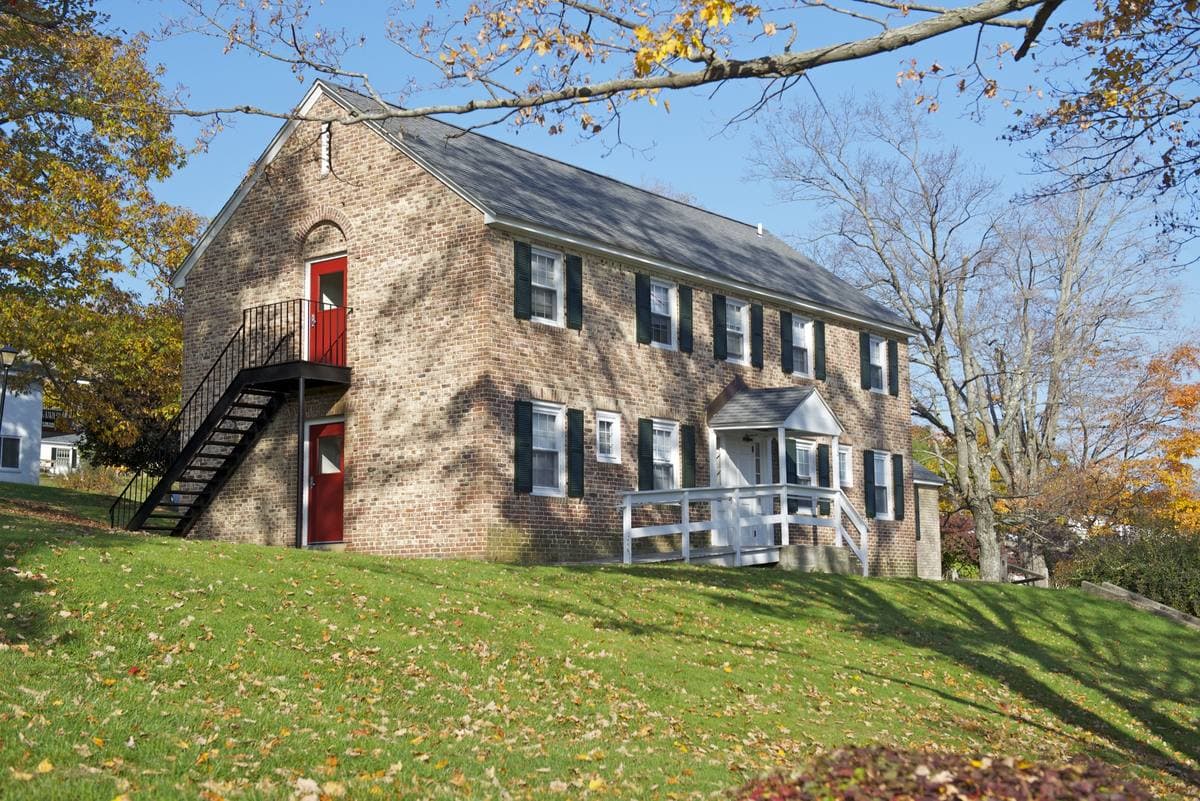
The triple-decker is a Greater Boston icon. These three-story, three-unit wood-frame homes fill neighborhoods across Somerville, Boston, Cambridge, and Quincy, and many are a century old or more. They are beautiful and sturdy, but painting one is a bigger, more involved project than a typical single-family house, and owners should know what they are getting into.
Whether you own and live in one, rent out the units, or are refreshing a multi-family investment property, the same core factors apply: significant height, older wood and detailing, likely lead paint, tenant coordination, and a lot of surface area. This guide covers what to expect when painting a triple-decker or multi-family in Greater Boston so you can plan and budget realistically.
The scale and height change everything
A triple-decker is three full stories, which means the exterior surface area is large and much of it is high off the ground. Reaching the top floor, the eaves, and the classic front and back porches safely requires proper staging, tall ladders, or sometimes lifts. This adds labor, equipment, and time compared to a one- or two-story home.
That height is also why triple-decker exterior jobs cost more and take longer than people expect. The work is not just more square footage, it is harder-to-reach square footage, done safely. When budgeting, factor in that the top of a three-story home is where a lot of the weathering and prep work concentrates.
Access also shapes the schedule. Setting up and moving staging around a tall home takes time, and tight urban lots in neighborhoods like Somerville and Dorchester can make it harder to position ladders and equipment. None of this is a problem for a crew that does these homes regularly, but it does mean a triple-decker is not a weekend job, and a bid that treats it like one is worth a second look.
Older wood, porches, and detailing
Most Greater Boston triple-deckers are old, with original clapboard, decorative trim, and those signature stacked porches. Over decades, wood weathers, caulk fails, and rot can develop, especially on porches, railings, and window sills exposed to the elements. A quality repaint on one of these homes is as much about repair and prep as it is about color.
The stacked front and rear porches deserve special attention. Railings, spindles, floors, and ceilings all take heavy weather and heavy use, and they are detailed, slow surfaces to prep and paint properly. Skipping prep here is where jobs fail fastest. Expect a real repaint to include scraping, sanding, priming bare wood, and addressing any rot before a drop of finish paint goes on.
Lead paint is very likely
Because the vast majority of triple-deckers predate 1978, lead paint is a strong possibility, often under multiple later coats. This matters legally and for safety, particularly in multi-family buildings where tenants, including families with young children, live. Massachusetts has a strict lead law, and federal rules require lead-safe work practices when disturbing paint on pre-1978 housing.
In practice, this means the crew should use dust-controlled methods, contain the work areas, and clean up thoroughly rather than dry-sanding old paint into the air around the building. For landlords especially, handling this correctly is not optional. Ask any painter how they manage lead-safe practices on older multi-families before hiring. Requirements can change, so confirm current rules.
Coordinating tenants and access
Multi-family painting has a human logistics layer that single-family jobs do not. If units are occupied, the crew needs to work around residents' schedules, entryways, porches they use daily, and parked cars. Windows may need to be accessed or kept closed during certain work. Good communication with tenants ahead of time, about timing, noise, porch access, and any temporary inconveniences, keeps the project smooth.
For owners, this is where a painter experienced with Greater Boston multi-families earns their keep. They know how to sequence the work to minimize disruption, keep egress and shared entrances usable, and keep tenants informed. If you are an out-of-area or hands-off owner, a crew that handles this coordination well saves you a lot of headaches.
Cost and value considerations
A triple-decker exterior is a substantial investment because of the size, height, and prep involved. But it is also protective: these are wood-frame homes, and paint is the barrier that keeps moisture out of century-old clapboard and trim. Deferring the work lets small failures turn into rot and structural repair that costs far more than paint.
For investment properties, a fresh, well-maintained exterior also supports rental value and curb appeal in competitive neighborhoods. Interior repaints between tenants are a related, smaller-scale consideration. When budgeting a full exterior, get a written scope that spells out the prep, the porch work, the number of coats, and how lead-safe practices are handled, so you can compare bids on equal footing.
Getting it done right
The through-line for triple-deckers and multi-families is that they reward experience and punish shortcuts. The height, the aging wood, the porches, the likely lead paint, and the tenant coordination all call for a crew that has done these homes before and does not cut corners on prep or safety. A cheap bid that skips prep on a three-story wood home is a false economy that shows up as peeling within a couple of seasons.
We work on triple-deckers and multi-family homes throughout Greater Boston, from Somerville and Cambridge to Boston and Quincy, and we plan these jobs around the realities of older wood-frame buildings and occupied units. If you own one, a free on-site estimate will give you a realistic scope and number for your specific property.
Frequently asked questions
- Why does painting a triple-decker cost more than a regular house?
- Three full stories mean a large amount of surface area, much of it high off the ground, plus detailed porches and older wood that needs real prep. Reaching the top floor and eaves safely requires staging and taller equipment, which adds labor and time compared to a one- or two-story home.
- Do triple-deckers usually have lead paint?
- Very likely, since most predate the 1978 lead-paint ban, often under later coats. This matters for safety and legally, especially in multi-family buildings with tenants. Massachusetts has a strict lead law and federal rules require lead-safe work practices when disturbing old paint. Ask how the crew handles it; confirm current rules.
- How do you handle tenants during a multi-family paint job?
- Through coordination: working around residents' schedules, keeping shared entrances and porches usable, managing parking and window access, and communicating timing and noise ahead of time. An experienced Greater Boston crew sequences the work to minimize disruption and keeps tenants informed throughout.
- What part of a triple-decker needs the most attention?
- The stacked front and rear porches and the top-floor exposures. Porches, railings, spindles, and sills take heavy weather and use, and are slow, detailed surfaces to prep and paint. High areas concentrate weathering. Skipping prep on these spots is where a repaint fails fastest.
Related services
Found this helpful? Make us a preferred source on Google.
Ready for an exact price?
Get a free, no-pressure in-home estimate. Real numbers for your home, not a phone guess.