
Interior vs Exterior Painting: What to Know Before You Book
· By Joezer Rocha
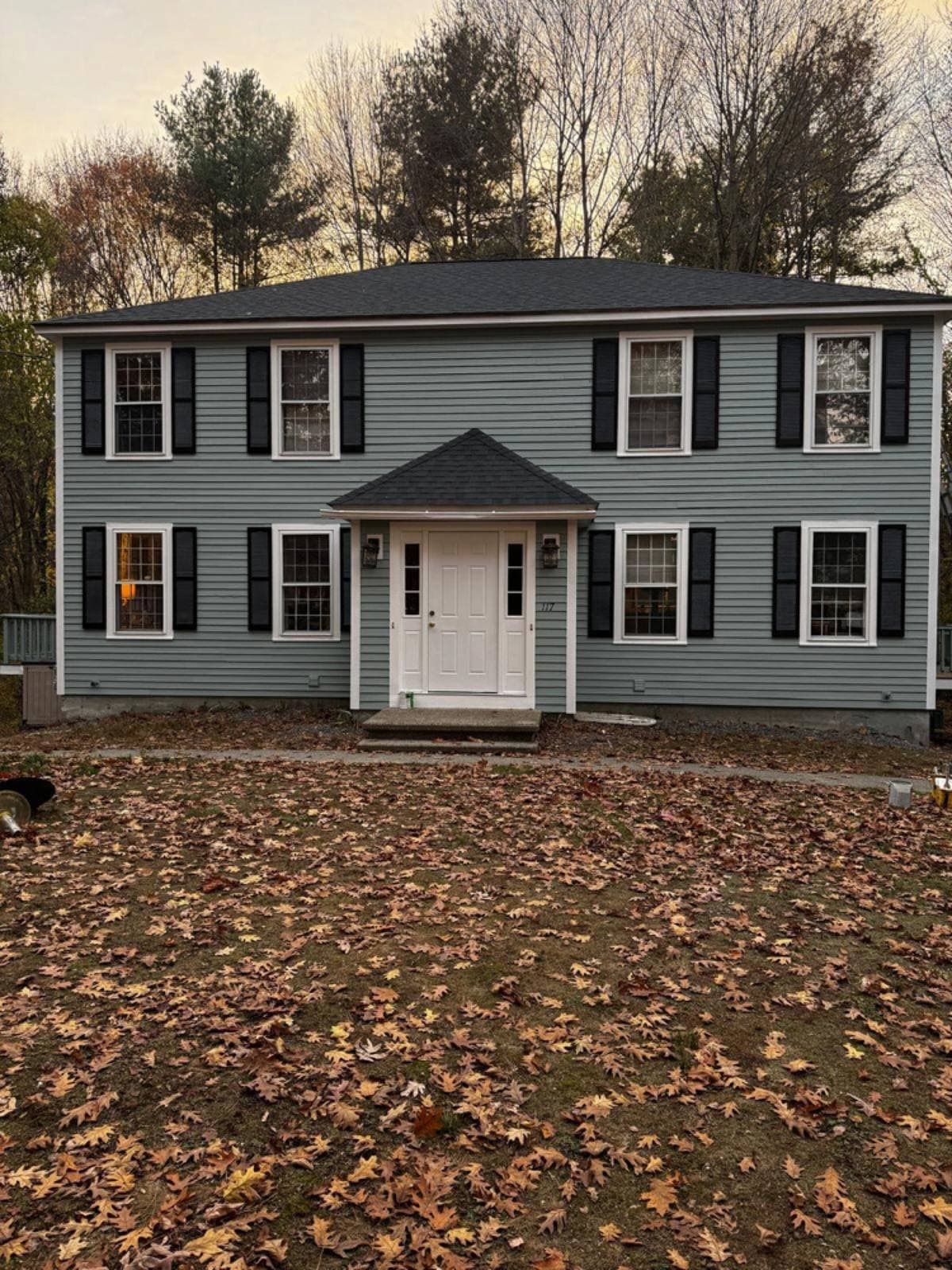
People often lump painting into one category, but interior and exterior work are genuinely different jobs. They use different paints, follow different prep and timing rules, and carry different risks. Understanding the differences helps you plan realistically, ask better questions, and get a result that lasts, whether you are refreshing a living room in Cambridge or repainting a whole exterior in Newton.
This guide compares the two side by side: the paints, the prep, the timing, the durability, and what to expect during the work. If you are deciding which project to tackle first, or trying to understand why an exterior quote costs more than an interior one, this lays out the reasons clearly.
Different paints for different jobs
Interior and exterior paints are formulated for opposite environments. Exterior paints are built to flex with temperature swings, resist UV fading, shed water, and fight mildew. They contain additives that would not be appropriate indoors. Interior paints prioritize a smooth finish, low odor, easy cleaning, and washability, without the heavy weather-resistance package.
This is why you cannot simply use leftover exterior paint inside or vice versa. It also means the two jobs have different material considerations. In a freeze-thaw climate like New England, exterior paint flexibility is critical, while interior paint durability is more about resisting scuffs, moisture in kitchens and baths, and repeated cleaning.
Sheen choices differ too. Interiors often use flat or matte on ceilings, eggshell or satin on walls, and semi-gloss on trim and doors for washability. Exteriors lean toward finishes that shed water and resist dirt. Getting the sheen right for each surface is part of what makes a professional job look intentional rather than uneven, and it is a detail worth discussing at the estimate.
Prep: both matter, in different ways
Interior prep centers on protecting your home and creating a clean surface: moving or covering furniture, masking floors and fixtures, patching nail holes and cracks, sanding, and priming stains. The work is detailed and careful because it happens inside your living space, with your belongings a few feet away.
Exterior prep is more physical and weather-driven: power washing off dirt and chalk, scraping and sanding failed paint, repairing rot, re-caulking, and priming bare wood. It also has to work around the weather. Both types of prep are the foundation of a lasting result, but exterior prep tends to be more labor-intensive, which is one reason exterior jobs often cost more.
Timing and weather
Interior painting can happen almost any time of year, which makes winter a popular season for it in Greater Boston. Indoor climate control means you are not waiting on the weather, though ventilation and dry-down still matter.
Exterior painting is tightly bound to the weather. In New England, the reliable window runs roughly mid-May through mid-October, with temperature and humidity dictating whether a given day is workable. This is a major planning difference: an interior project can be scheduled flexibly, while an exterior project has to be booked into a limited seasonal window, often well in advance.
Durability expectations
Interior paint, protected from weather, lasts a long time, often many years before it needs redoing, and repaints are frequently driven by color changes or wear in high-traffic areas rather than failure. Kitchens, bathrooms, hallways, and kids' rooms tend to need attention sooner than bedrooms.
Exterior paint faces constant assault from sun, rain, and freeze-thaw cycles, so its lifespan is shorter, commonly in the range of several years to a decade in New England depending on prep, product, and exposure. Setting these expectations up front helps you budget: an exterior repaint is a recurring maintenance item, while interior repaints are often more about preference and timing.
What to expect during the work
An interior job means a crew working inside your home, so communication about scheduling, room access, furniture, and daily cleanup matters. The upside is you can watch progress room by room and the work is unaffected by weather. Odor and dry time are considerations, though modern low-VOC paints have improved this a lot.
An exterior job means ladders, staging, and crews working around the outside of your home, sometimes following the shade through the day. It can pause for rain or unsuitable conditions, so the timeline is more weather-dependent. Neither is inherently harder for the homeowner, but they call for different kinds of planning.
Which should you do first?
If your exterior is showing peeling, chalking, or bare wood, prioritize it. Exterior paint protects the structure itself, not just its appearance, and failing exterior paint can lead to moisture damage and rot that is far more expensive than a repaint. Interior painting, while it improves and protects your walls, is rarely as urgent from a structural standpoint.
That said, many homeowners split the difference: exterior work in the warm months when the window is open, interior work in fall and winter. A painter who does both can help you sequence the projects to match the seasons and your budget. If you are weighing which to book, a free estimate that covers both gives you a clear picture of what needs doing now versus later.
Frequently asked questions
- Can you use the same paint inside and outside?
- No. Exterior paint is formulated to flex, resist UV, and shed water, with additives not meant for indoor air. Interior paint prioritizes a smooth, washable, low-odor finish. Using one in place of the other gives poor results, so each job needs the right product.
- Which lasts longer, interior or exterior paint?
- Interior paint lasts much longer because it is protected from weather, often many years, with repaints usually driven by wear or color changes. Exterior paint in New England commonly lasts several years to a decade depending on prep, product, and sun and moisture exposure.
- Can I paint the inside of my house in winter?
- Yes. Interior painting can be done year-round since it is not weather-dependent, which makes winter a popular time for it in Greater Boston. Exterior painting, by contrast, is limited to roughly mid-May through mid-October here.
- Should I paint the exterior or interior first?
- If the exterior shows peeling, chalking, or bare wood, do it first, because exterior paint protects the structure from moisture and rot. Interior painting is important but rarely as urgent structurally. Many homeowners do exterior work in warm months and interior work in fall and winter.
Related services
Found this helpful? Make us a preferred source on Google.
Ready for an exact price?
Get a free, no-pressure in-home estimate. Real numbers for your home, not a phone guess.