
How to Prep Your Home for a Painting Crew
· By Joezer Rocha
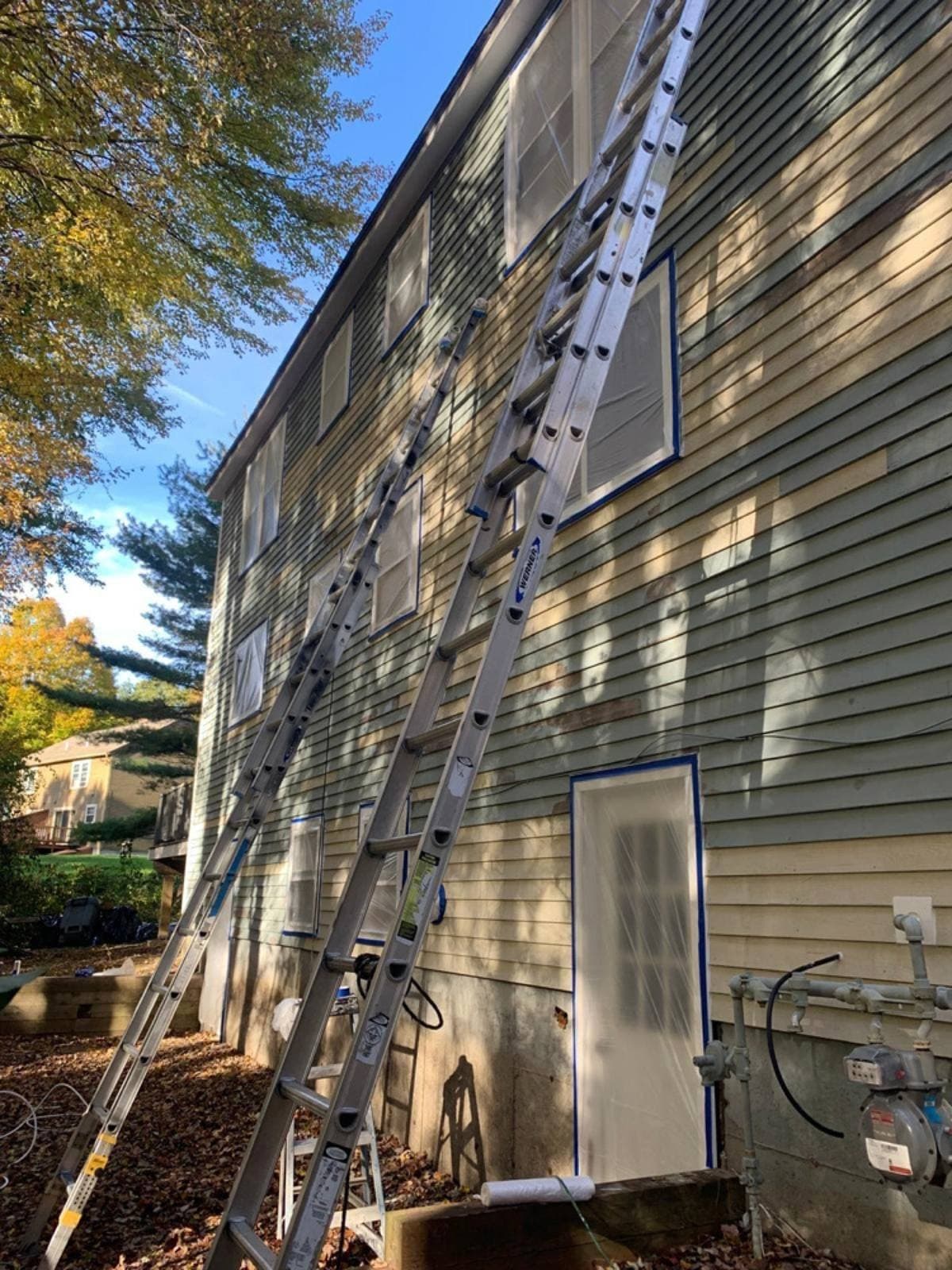
A professional crew handles the real prep, the sanding, patching, masking, and priming that make a paint job last. But there are things you can do before they arrive that make the whole project go smoother, faster, and with less risk to your belongings. A little homeowner prep also often keeps the cost down, since the crew spends less time moving your things and more time painting.
This is a practical, room-by-room checklist for getting your home ready for painters, whether it is an interior refresh in Somerville or an exterior job in Quincy. None of it is complicated, and doing it ahead of time means you and the crew start on the same page on day one.
Clear and move what you can
For interior work, move small furniture, decor, lamps, and breakables out of the rooms being painted. Take down wall art, photos, mirrors, and curtains. The crew can and will move larger pieces to the center of the room and cover them, but the more small and fragile items you handle yourself, the less risk of anything getting bumped or dusted.
Empty closets and shelves if those areas are being painted, and clear the tops of dressers and counters. This is also a natural moment to declutter. If a piece of furniture can leave the room entirely, even better, it gives the crew clean access to walls, baseboards, and corners.
Take down and label hardware where asked
Ask the crew ahead of time what they would like you to remove. Often this includes things like outlet and switch plate covers, or you can leave that to the crew. Removing small items like wall hooks, curtain rods, and picture hangers ahead of time speeds things up.
If you are having doors or cabinets painted and want to help, keep a small labeled bag for any hardware you remove so nothing gets lost. For most jobs, though, the crew handles hardware, the main thing you can do is point out anything you specifically want kept or reused.
Clean the surfaces lightly
You do not need to deep-clean, the crew will prep surfaces properly, but a light dusting and wiping of walls and baseboards, and clearing cobwebs from corners, helps. For kitchen cabinet projects especially, the crew will degrease, but keeping the area generally clean and clear of clutter makes their prep faster.
For exterior work, the crew typically power washes as part of prep, so you do not need to clean the siding. What helps outside is different, and it is mostly about access, which the next section covers. Inside, one more small favor: if you know a wall has a stubborn stain, a marker mark, or a spot that has been touched up before, mention it so the crew can prime it properly rather than discover it mid-coat.
Prep the exterior perimeter
For exterior jobs, walk the perimeter of the house and clear the way. Move patio furniture, grills, planters, hoses, and anything leaning against the walls. Trim back shrubs and branches that touch the house so the crew can reach the siding, though ask first if you want them to handle heavy trimming.
Make sure the crew has access to an exterior water source and, if needed, an outdoor outlet. Unlock gates and let the crew know about any sprinkler schedules, pets in the yard, or areas you would like protected, like a garden bed. Clearing the perimeter in advance means the crew can get straight to washing and painting.
Plan for pets, kids, and parking
Painting involves open doors, ladders, wet surfaces, and sometimes fumes, none of which mix well with curious pets and small children. Plan to keep them out of the work zone, whether that means closing off rooms, arranging a day out, or setting up a safe space away from the action.
For city neighborhoods around Boston and Cambridge, parking is worth thinking about too. A crew needs somewhere to park and unload materials. Letting them know where to park, or arranging a spot, avoids a slow, frustrating start to the day. If you have a permit-parking street, a heads-up helps everyone.
Communicate before day one
The most valuable prep is a quick conversation. Confirm the scope: which rooms or surfaces, which colors go where, and any spots you are particular about. Point out problem areas you have noticed, a stain, a soft patch of wood, a crack, so the crew can address them. Agree on start times, access, and how you will be reachable during the work.
Clear communication up front prevents the small misunderstandings that slow a job down or lead to a wall in the wrong color. A good crew will walk the space with you before starting. Doing your part, clearing, cleaning lightly, and talking through the details, sets the project up to go quickly and come out right. When we schedule your job, we will tell you exactly what to prep and what we will handle.
Frequently asked questions
- Do I need to move furniture before painters arrive?
- Move small furniture, decor, and breakables yourself, and take down wall art and curtains. The crew will move larger pieces to the center and cover them. Handling the small and fragile items yourself reduces risk and often saves time, which can keep the cost down.
- Should I clean the walls before the painters come?
- A light dusting and wiping helps, but you do not need to deep-clean. The crew preps surfaces properly, including degreasing kitchen cabinets and power washing exteriors. Mainly, clear clutter so the crew has easy access to the surfaces being painted.
- How do I prepare the outside of my house for painting?
- Clear the perimeter: move patio furniture, grills, planters, and hoses, and trim back shrubs touching the siding. Provide access to an outdoor water source and outlet, unlock gates, and flag anything you want protected. The crew usually power washes as part of prep.
- What should I do about pets and parking during the job?
- Keep pets and small children out of the work zone, since there are open doors, ladders, and wet surfaces. In city neighborhoods around Boston and Cambridge, arrange or point out parking for the crew to unload materials, and mention any permit-parking rules ahead of time.
Related services
Found this helpful? Make us a preferred source on Google.
Ready for an exact price?
Get a free, no-pressure in-home estimate. Real numbers for your home, not a phone guess.