
How Long Does Exterior Paint Last in New England?
· By Joezer Rocha
Every homeowner wants the same thing from an exterior paint job: as many years as possible before doing it again. In New England, that number is shaped by a punishing climate. Freeze-thaw cycles, coastal humidity, strong summer sun, and the occasional nor'easter all work against a coating year-round.
So how long should you actually expect exterior paint to last in Greater Boston, and what separates a job that lasts a decade from one that peels in three years? The honest answer depends on the surface, the prep, the product, and the weather exposure. This guide breaks down realistic lifespans and the factors that decide where your home lands.
Realistic lifespans by surface
As a general reference, a quality exterior paint job on wood siding in New England often lasts somewhere in the range of 5 to 10 years, sometimes longer with premium products and excellent prep. Painted trim and high-exposure areas usually wear faster than protected wall faces.
Other surfaces behave differently. Stucco and masonry coatings can last longer, sometimes well over a decade. Aluminum and vinyl siding that has been painted tend to have their own timelines. Stained wood, decks, and fences weather faster than painted siding and need more frequent attention. These are ranges, not guarantees, because exposure varies wildly from one wall to the next.
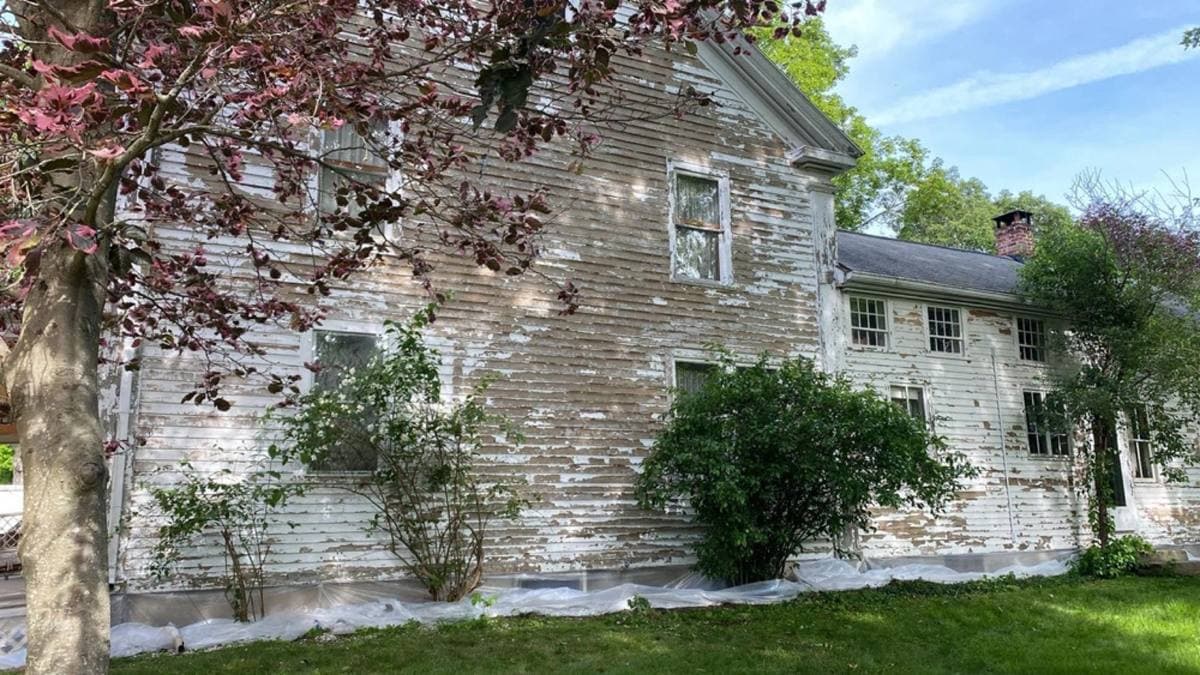
It also helps to separate 'looking tired' from 'failing.' Fading and mild chalking are cosmetic and can appear before the coating actually breaks down. Cracking, peeling, and bare wood are the signs that the film is failing and moisture is getting in. A home can look a little dull years before it truly needs a full repaint, which is why a professional assessment beats guessing from the curb.
Why New England is hard on paint
The freeze-thaw cycle is the big one. Water gets into tiny cracks in the paint film and siding, freezes and expands, then thaws, over and over through the winter. This mechanical stress lifts and cracks paint over time. Homes near the coast add salt air and higher humidity, which accelerate wear.
Summer brings intense UV from the sun, which breaks down the binders in paint and causes fading and chalking, especially on south- and west-facing walls. Add wind-driven rain and the wide temperature swings between seasons, and you have a climate that tests every coating. This is why the same paint that lasts 12 years in a mild, dry region might give you fewer years here.
Prep is what really decides the lifespan
The single biggest factor in how long exterior paint lasts is not the paint, it is the preparation underneath it. Paint applied over a clean, sound, primed surface bonds and stays. Paint applied over dirt, chalk, loose old paint, or bare weathered wood fails early no matter how good the product is.
Proper prep means washing the surface, scraping and sanding failed areas, spot-priming or fully priming bare wood, repairing rot, and re-caulking gaps. Skipping these steps is how a job fails in a season or two. When homeowners see a neighbor's paint peeling after three years, the cause is almost always prep, not the paint that was sprayed on top.
Paint quality and number of coats
Premium exterior acrylic latex paints hold color and flexibility longer than budget products, and that flexibility matters in a freeze-thaw climate because the coating needs to expand and contract with the wood without cracking. The difference in cost per gallon is small compared to the extra years you can gain.
Two coats over primer almost always outlast a single coat, giving a thicker, more durable film. A quote promising 'one coat' on a full exterior is a red flag for longevity in New England. The combination of good prep, quality paint, and adequate coats is what pushes a job toward the upper end of its lifespan range.
Exposure and color choices
Not all walls age at the same rate. South- and west-facing sides take the most sun and typically fade and wear first, while a shaded north face can look good for years longer. Areas near gutters, downspouts, and grade lines take extra moisture. This is why a home rarely needs a full repaint all at once, sometimes the sunny sides need refreshing before the rest.
Color plays a role too. Deep, saturated colors tend to fade more visibly under UV, while some finishes hold up better than others. A painter familiar with New England exposures can point you toward products and colors that will keep looking good longer on your specific home.
How to get more years out of your paint
You can stretch the life of an exterior paint job with basic upkeep: keep gutters clear so water is not constantly running over the siding, trim back shrubs that trap moisture against the walls, and wash the exterior periodically to remove dirt and mildew. Catching a small area of failing caulk or a peeling patch early, and touching it up, prevents a small problem from spreading.
When it is time to repaint, the biggest lever is choosing a crew that does not cut corners on prep. That is where the years come from. If you want an honest assessment of your home's current finish and how much life is left in it, a free on-site estimate across Greater Boston is the place to start.
Frequently asked questions
- How often should I repaint my house exterior in New England?
- For quality paint on wood siding, plan on roughly every 5 to 10 years in the Greater Boston climate, with sunny and high-exposure sides sometimes needing attention sooner. Good prep, premium paint, and two coats push you toward the longer end of that range.
- Why does exterior paint fail faster here than in other regions?
- New England's freeze-thaw cycles, coastal humidity, strong summer UV, and big temperature swings all stress a paint film year-round. Water freezing and thawing in tiny cracks is especially hard on coatings, so paint that might last a dozen years in a mild climate often lasts fewer years here.
- What is the biggest factor in how long paint lasts?
- Preparation. Paint over a clean, sound, primed surface bonds and lasts. Paint over dirt, chalk, loose old paint, or bare weathered wood fails early regardless of quality. When paint peels after just a few years, poor prep is almost always the reason.
- Do I need two coats of exterior paint?
- In New England, two coats over primer is strongly recommended. They create a thicker, more durable, more flexible film that stands up to freeze-thaw stress. A quote promising a single coat on a full exterior is a warning sign for how long the job will last.
Related services
Found this helpful? Make us a preferred source on Google.
Ready for an exact price?
Get a free, no-pressure in-home estimate. Real numbers for your home, not a phone guess.