
A Homeowner's House Painting Guide for Worcester, MA
· By Joezer Rocha
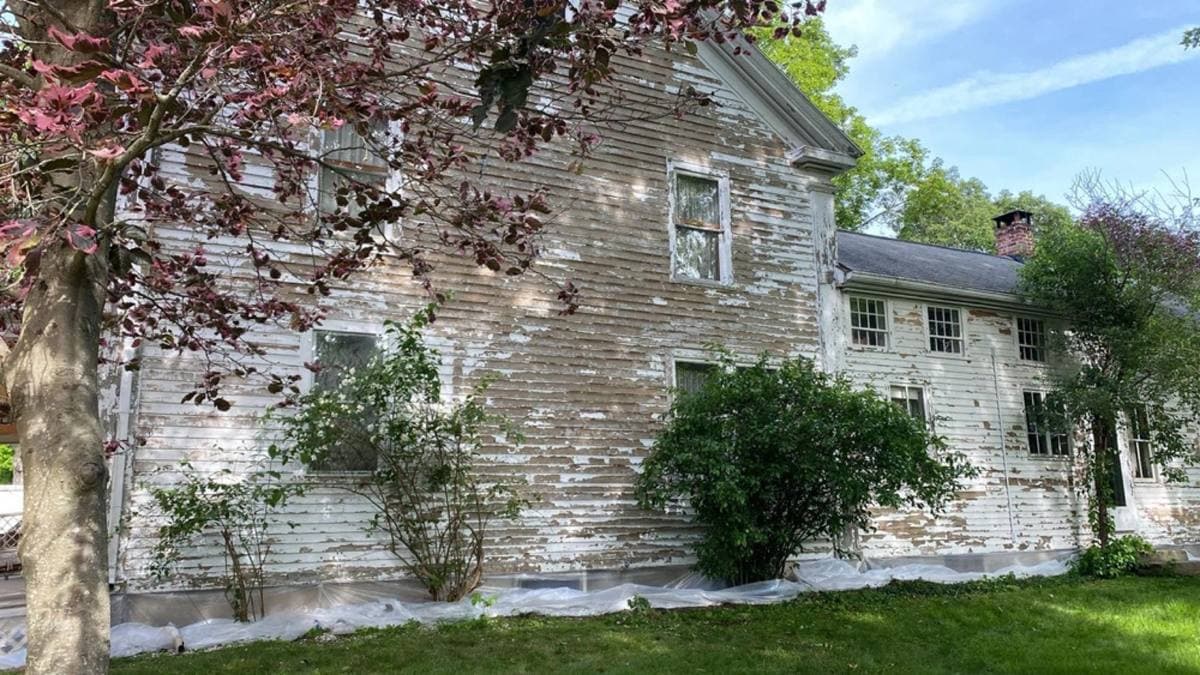
Worcester is the heart of central Massachusetts and the birthplace of the three-decker, so its housing stock is dense, hilly, and full of character. From the triple-deckers packed across Vernon Hill and Main South to the Victorians near Elm Park and the colonials in the West Side and Tatnuck, painting a Worcester home means working with wood-frame houses that have weathered a hundred harsh central-Mass winters.
This guide walks through what a Worcester homeowner should know before painting: the city's neighborhood housing, how inland New England weather beats up exteriors, interior color directions for these rooms, notes on historic areas, and how to hire a painter who understands three-deckers and older wood homes.
Worcester's three-deckers and neighborhood homes
Worcester is famous as a birthplace of the three-decker, and they define neighborhoods like Vernon Hill, Main South, and the East Side: three stacked wood units with stacked porches, built to house the city's industrial workforce. The West Side, around Elm Park and Salisbury Street, holds grand Victorians, Tudors, and larger single-families, while Tatnuck and Burncoat mix colonials and mid-century homes.
The city's famous hills mean many homes sit on slopes, which affects staging and access on an exterior job. The dominant material is wood siding on older frames, which requires real scraping and priming to hold paint. Identifying your home's type, three-decker, Victorian, or single-family, and its site conditions sets the shape of any paint plan.
Exterior painting for central Massachusetts winters
Worcester sits inland and higher than the coast, so it sees colder, snowier winters and sharp freeze-thaw cycles that are hard on exterior paint. Moisture behind old wood siding freezes, expands, and lifts paint, especially on the exposed upper floors of tall three-deckers. Durable results come from thorough prep: scraping, sanding, priming bare wood, and caulking, timed for the dry warm season from late spring to early fall.
Tall three-deckers on hilly lots take extra staging and labor, which affects both time and cost. With so many Worcester homes built before 1978, lead-safe RRP practices are essential when disturbing old layers. Because homes and sites vary so widely, treat any online figure as a placeholder and get a free on-site estimate for your specific house.
Interior colors and finishes in Worcester homes
Worcester interiors range from compact three-decker units with original trim to spacious Victorian rooms on the West Side. In smaller units, warm whites and soft greige keep rooms bright, while grander homes have room for richer colors, deep greens, warm navies, and heritage neutrals, in dining rooms and studies. Original woodwork and built-ins are common and worth showcasing.
Plaster walls in older Worcester homes crack and settle over a century, and a smooth repaint depends on proper filling and priming. Cabinet repainting is a strong value move in three-decker and single-family kitchens alike, refreshing solid cabinetry without the cost of replacement, which matters in a city where homeowners watch their budgets carefully.
Historic areas and Worcester character
Worcester has local historic districts and areas of strong architectural character, including the Massachusetts Avenue and Crown Hill areas, along with individually significant properties around the city. If your home falls within a designated district, exterior changes may be subject to review before a major color change on a visible facade.
For most Worcester homeowners a standard repaint is straightforward, but if you own a home in a recognized historic area, it is worth confirming any requirements before changing an exterior scheme. Even outside formal districts, using color thoughtfully to highlight the details of a Victorian or three-decker serves these homes well. A local painter can help you get it right.
Choosing a painter for a Worcester home
For Worcester homes, hire a painter experienced with three-deckers, hilly lots, and older wood siding. Confirm they are licensed and insured and follow lead-safe practices on pre-1978 homes. Ask for recent local work on similar houses and a written scope covering prep, number of coats, and included surfaces, since tall three-deckers are where scope and staging details matter most.
Ask how they handle staging on sloped lots and access to upper-floor porches, which are common challenges in Worcester. An owner-operated local painter who knows the city's three-deckers and central-Mass conditions will deliver a more durable result than an unfamiliar crew, and a free same-day estimate lets you compare before you commit.
Frequently asked questions
- Are Worcester three-deckers harder to paint than other homes?
- They can be, because you are covering three stories of wood siding plus stacked porches and trim, often on a hilly lot that complicates staging. That adds prep and labor. A free on-site estimate based on your building's size, condition, and site is the accurate way to price it.
- How do Worcester winters affect exterior paint?
- Inland Worcester sees colder, snowier winters and sharp freeze-thaw cycles that lift paint when moisture gets behind old wood siding. Thorough prep, scraping, priming, and caulking, during the dry warm season is what helps a coating survive these conditions.
- Is repainting cabinets worth it in a Worcester kitchen?
- Usually, yes. If the cabinet boxes are solid, repainting delivers a fresh kitchen for far less than replacement, which appeals to budget-minded homeowners. A free estimate will tell you whether your cabinets are good candidates for refinishing.
Found this helpful? Make us a preferred source on Google.
Ready for an exact price?
Get a free, no-pressure in-home estimate. Real numbers for your home, not a phone guess.