
A Homeowner's House Painting Guide for Newton, MA
· By Joezer Rocha
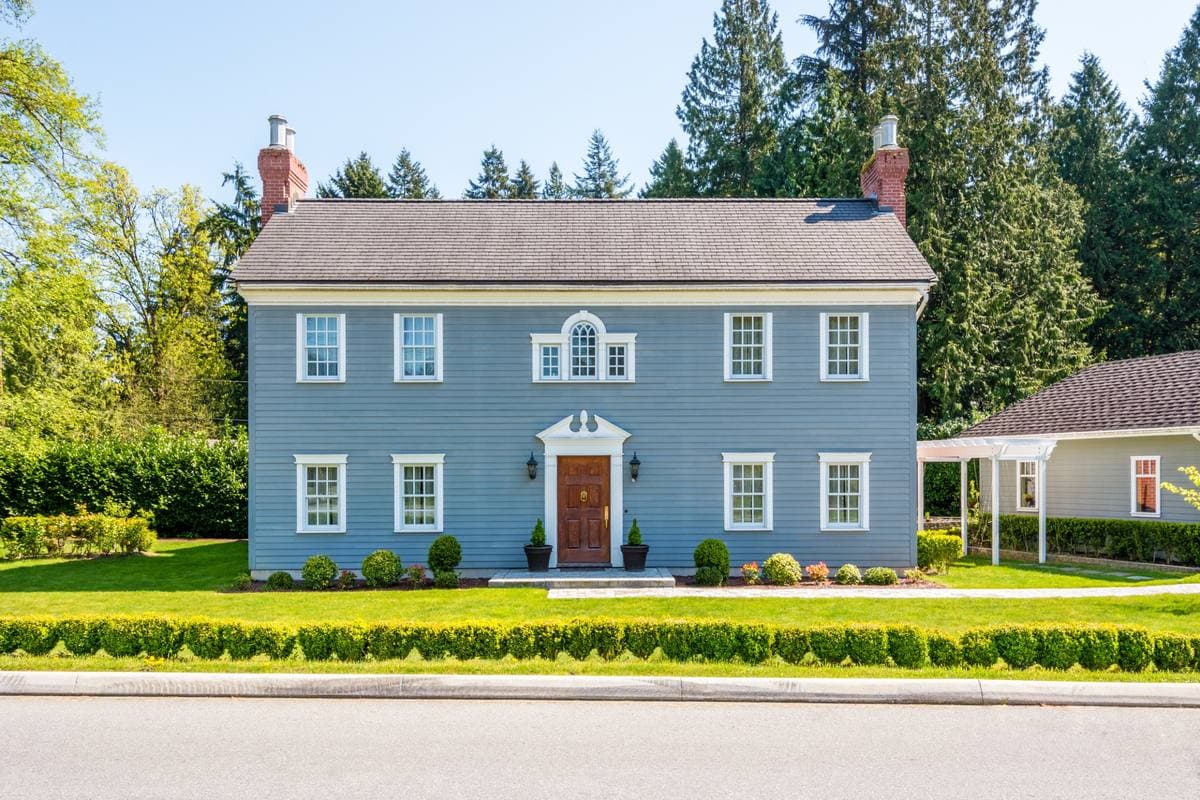
Newton, the Garden City, is really thirteen villages stitched together, and its homes reflect that. You will find grand Victorians in Newton Centre, stately colonials in West Newton and Chestnut Hill, and Arts and Crafts and shingle-style houses scattered throughout Waban and Newton Highlands. These are often larger, older homes on generous lots, which changes the scale and detail of a paint job.
This guide covers what matters for painting a Newton home: the village-by-village architecture, how New England weather wears on these bigger exteriors, interior color directions that suit spacious period rooms, notes on local historic areas, and how to hire a painter who can handle the detail and scale these houses demand.
Newton's villages and their housing
Newton Centre and Newtonville hold large Victorians and Queen Annes with turrets, wraparound porches, and layered trim. West Newton and Auburndale carry classic colonials and center-entrance homes, while Chestnut Hill has grand estates and stone-and-shingle houses. Waban and Newton Highlands mix Arts and Crafts bungalows, Tudors, and shingle-style homes with heavy character.
The common thread is size and detail. Many Newton houses have extensive trim, multiple gables, dormers, and porches that add real surface area and complexity to any paint project. Shingle and Tudor styles in particular reward careful color choices that highlight architecture. Knowing your home's style shapes both the prep plan and the palette.
Exterior painting for Newton's larger homes
Newton exteriors face the same wet springs and freeze-thaw winters as the rest of the region, but on bigger homes there is simply more surface exposed to it. South and west faces weather fastest, and older wood siding lifts paint when moisture gets behind it. A lasting job depends on serious prep: scraping, sanding, priming bare wood, and caulking, done during the dry warm season from late spring to early fall.
Many Newton homes predate 1978, so lead paint is a real factor, and lead-safe RRP practices are essential when disturbing old layers. Larger homes with extensive trim take more labor and staging, which affects both timeline and cost. Because every house differs so much in size and condition, a free on-site estimate is the only reliable way to price your exterior.
Interior colors for spacious period rooms
Newton interiors often feature big rooms, tall ceilings, original woodwork, and generous natural light. That gives homeowners room to be bolder: deep library greens, warm terracottas, and moody blues read beautifully in a large dining room or study, while soft warm whites and greige keep bright open spaces feeling calm and cohesive.
Original trim, wainscoting, and built-ins are common and worth showcasing rather than hiding. Plaster walls in older Newton homes benefit from proper repair before painting, and decorative finishes can suit the grander interiors where a flat wall would feel plain. Cabinet repainting is also popular, refreshing large period kitchens without the cost and disruption of replacing quality cabinetry.
Local historic areas and character
Newton has locally designated historic districts and many homes of real historic character, particularly in areas like Newtonville, Auburndale, and Chestnut Hill. If your property falls within a designated district, exterior changes may be subject to review, so it is worth confirming your status before a major color change on a visible facade.
Even outside formal districts, Newton homeowners often care about keeping a home's period character intact. A repaint that respects the architecture, using color to emphasize gables, trim, and porches, tends to serve these houses better than a scheme that fights their style. A knowledgeable local painter can help balance a fresh look with the home's character.
Choosing a painter for a Newton home
Large, detailed Newton homes reward an experienced painter. Look for someone licensed and insured, comfortable with extensive trim and staging, and versed in lead-safe practices for older houses. Ask to see recent work on homes similar to yours, and get a written scope covering prep, coats, and every surface included, since detail-heavy homes are where scope gaps show up.
Because these projects are larger, clear communication on timeline, sequencing, and how weather delays are handled matters more than on a small job. An owner-operated local painter who knows Newton's housing stock and can commit to the detail work is a strong fit, and a free same-day estimate lets you compare approaches before you decide.
Frequently asked questions
- Why do Newton homes often cost more to paint?
- Many Newton homes are large with extensive trim, multiple gables, dormers, and porches, which means more surface area, more prep, and more staging. Size and detail drive labor, so a free on-site estimate based on your specific home is the accurate way to price it.
- Is my Newton home in a historic district?
- Newton has designated historic districts, particularly in areas like Newtonville, Auburndale, and Chestnut Hill. If your home is in one, exterior changes may need review. Confirm your address status before a major exterior color change on a visible facade.
- When should I schedule exterior painting in Newton?
- Late spring through early fall is best, when overnight temperatures stay warm enough to cure and surfaces can dry between coats. On larger Newton homes, booking early in the season also helps ensure the whole exterior finishes before cold weather returns.
Found this helpful? Make us a preferred source on Google.
Ready for an exact price?
Get a free, no-pressure in-home estimate. Real numbers for your home, not a phone guess.