
A Homeowner's House Painting Guide for Cambridge, MA
· By Joezer Rocha
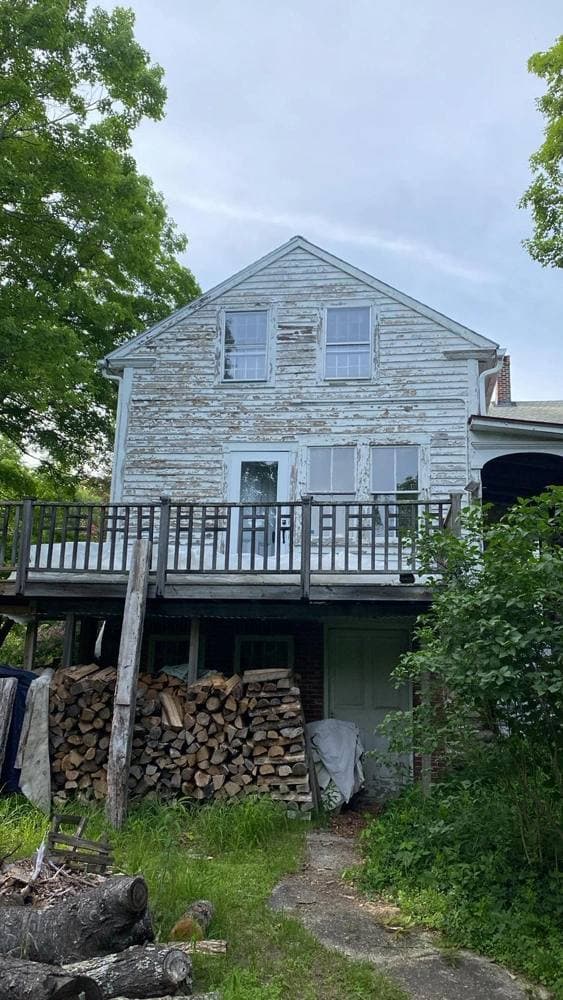
Cambridge has some of the oldest housing stock in the country, mixed right in with dense modern living. Within a few blocks you can pass a Federal-era colonial near Harvard Square, a mansard-roofed Second Empire home in Mid-Cambridge, and a wood two-family in Cambridgeport. Painting here means respecting age, history, and neighbors who are often just a driveway away.
This guide covers what matters for a Cambridge paint project: the range of architecture across the city, how the local climate affects exteriors, interior color choices that suit these rooms, the historic-district rules that make Cambridge unusual, and how to choose a painter who can work carefully in an old, protected city.
Cambridge architecture, neighborhood by neighborhood
Near Harvard Square and Brattle Street you will find Georgian and Federal colonials, some dating to the 1700s, with symmetrical facades, painted clapboard, and fine trim. Mid-Cambridge and areas around Inman Square carry Victorians, mansard-roof Second Empire homes, and worker cottages. Cambridgeport and North Cambridge lean toward wood two-families and triple-deckers from the streetcar era.
You will also see plenty of brick in Cambridge, from row houses to institutional-style homes. Brick and wood call for very different approaches: brick may need masonry-appropriate coatings or careful cleaning rather than paint, while old clapboard demands scraping and priming. The first step in any Cambridge job is identifying exactly what your walls are made of and how they have been finished over the decades.
Exterior painting for Cambridge weather and old wood
Cambridge sits in the same freeze-thaw climate as the rest of greater Boston, with wet shoulder seasons and hard winters. On older clapboard homes, the enemy is trapped moisture that lifts paint from behind. A durable exterior job leans on thorough prep: scraping, sanding, spot-priming bare wood, and caulking, done during the dry, warmer stretch from late spring to early fall.
Because so much of Cambridge predates 1978, lead paint is common in older layers, and lead-safe RRP practices are essential when sanding or scraping. On tight lots, protecting neighbors and shared surfaces is part of the job. Any exterior number you see online is only a starting point, so a free on-site estimate for your specific house is the honest way to price it.
Interior colors and finishes for Cambridge homes
Cambridge interiors often feature original millwork, wide trim, and plaster walls, especially in the older colonials and Victorians. Homeowners tend to favor palettes that respect that history: warm whites, soft neutrals, and heritage-leaning colors like muted sage, deep navy, and warm charcoal on a study or dining room. These tones let original woodwork and built-ins carry the room.
Plaster repair is a frequent part of interior work here. Century-old walls crack and bow, and a smooth repaint depends on filling, skim-coating where needed, and priming before color goes on. Cabinet painting is popular too, letting owners refresh a kitchen in a period home without gutting cabinetry that is often better built than modern replacements.
Historic districts and review in Cambridge
Cambridge is unusual for the number of properties covered by historic protection. The city has established historic districts (such as areas around Harvard Square, Old Cambridge, and Mid-Cambridge) plus neighborhood conservation districts, all overseen by the Cambridge Historical Commission. If your home falls within one, changes to the exterior, including in some cases exterior color, can require review before work begins.
For a straightforward repaint in the same colors, this is often simple, but you should never assume. Confirming whether your address is in a district and what it allows, before committing to a new color scheme, saves you from ordering paint you cannot use. A painter experienced in Cambridge will raise this early rather than after the job starts.
Hiring a painter for a historic Cambridge home
In a city this old, experience with historic and pre-1978 homes is not optional. Look for a painter who is licensed and insured, follows lead-safe practices, and can talk specifically about scraping, priming, and finishing old wood or masonry. Ask for recent local references and a written scope covering prep, coats, and which surfaces are included.
Because Cambridge lots are tight and streets are busy, ask how the painter handles staging, parking, and neighbor access. An owner-operated local painter who knows the district rules and the housing stock will save you headaches, and a free same-day estimate lets you compare approaches before you decide.
Frequently asked questions
- Do I need approval to repaint my Cambridge home a new color?
- It depends on your address. Homes in Cambridge historic or conservation districts can require review of exterior changes, sometimes including color, through the Cambridge Historical Commission. Confirm your status before choosing a new scheme. A repaint in the same colors is usually simpler.
- How should old plaster walls be prepped before painting?
- Century-old plaster often has cracks and uneven spots. Proper prep means filling, skim-coating where needed, sanding, and priming before color. Skipping these steps leaves flaws that show through the finish, so ask your painter how they handle plaster specifically.
- Can brick homes in Cambridge be painted?
- Brick can be painted, but it is a bigger decision than clapboard, because coatings on masonry are hard to reverse and can trap moisture if done wrong. Often cleaning or spot repair is better than painting. A local painter can assess your specific brick and advise.
Found this helpful? Make us a preferred source on Google.
Ready for an exact price?
Get a free, no-pressure in-home estimate. Real numbers for your home, not a phone guess.